

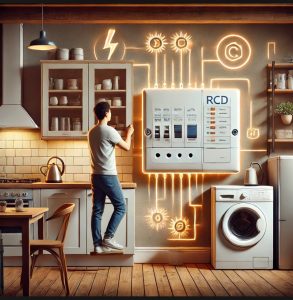
 It can be frustrating and concerning if you’re experiencing frequent electrical trips in your UK home. An electrical trip occurs when the safety mechanisms in your electrical system detect a problem and automatically shut off the power to prevent damage or danger. Understanding the causes behind these trips and how to troubleshoot them can save you time, money, and potential hazards. In this blog, we’ll walk you through how to identify the reasons behind electrical trips and what steps to take to fix the issue.
Understanding the Different Types of Electrical Trips
Before diving into the troubleshooting process, it’s essential to understand the two main types of trips in your home’s electrical system:
RCD (Residual Current Device) Tripping: The RCD is designed to protect you from electric shock by cutting off the power if it detects electricity flowing in an unintended path, such as through water or a person. If your RCD trips, it usually indicates a problem with earth leakage.
MCB (Miniature Circuit Breaker) Tripping: An MCB trip typically happens due to an overload or short circuit in a specific circuit (such as lights or power sockets). This occurs when too much power is being drawn or if there’s a fault in the wiring.
RCBO (Residual Current Breaker with Overcurrent): This combines RCD and MCB, tripping when there’s either earth leakage or an overload. It provides a dual layer of protection.
Now that we’ve covered the basics let’s look at how to troubleshoot the problem.
Step-by-Step Guide to Identifying the Cause of Electrical Trips
- Reset and Observe
The first step when you experience an electrical trip is to reset the breaker and observe what happens next:
Turn everything off: Switch off all your appliances and lights. This isolates the issue and makes it easier to identify the root cause.
Push the tripped switch back to the “on” position to reset the circuit breaker. If it stays on, the fault may be related to an appliance or a specific part of your home’s wiring.
Turn on appliances one by one: Reconnect your devices and turn on your lights individually. If one of them causes the breaker to trip again, you’ve likely found the problem.
- Check for Faulty Appliances
Often, the issue lies with a faulty appliance rather than the wiring itself. Appliances that frequently cause trips include:
Kettles
Washing machines
Fridges
Electric heaters
Inspect each appliance for visible damage, such as frayed wires, burn marks, or broken components. Even if an appliance looks fine, it could have an internal fault that causes it to trip the circuit. Unplug the suspected device and see if the circuit stays on without it.
- Look for Overloaded Circuits
Overloading a circuit using too many high-powered appliances at once is a common cause of MCB trips. Appliances like kettles, microwaves, and space heaters draw much power, mainly when used on the same circuit.
To troubleshoot an overloaded circuit:
Unplug high-powered devices: If the trip happens when several heavy appliances are running at once, the circuit might be overloaded. Try plugging them into different circuits or staggering their use.
Redistribute the load: To reduce the risk of overloading, spread the use of high-powered appliances across different areas of the home.
- Inspect Your Wiring
If the problem persists and isn’t linked to a specific appliance, the issue may lie in your home’s wiring. Common wiring-related problems include:
loose connections: Wires at sockets or light fittings may become loose over time, causing intermittent trips.
Water ingress: Moisture in damp areas, such as bathrooms or kitchens, can cause earth leakage, leading to an RCD trip.
Rodent damage: Rodents chewing through wires can expose live cables and cause dangerous faults.
If you suspect a wiring issue but can’t identify the problem yourself, it’s essential to contact a professional electrician.
- Consider Environmental Factors
Environmental conditions can also contribute to electrical trips. Here are some factors to consider:
Heavy rain or damp conditions: If a recent storm or significant rainfall occurs, water may have entered outdoor circuits or sockets, triggering an RCD trip. Ensure all external wiring and sockets are adequately protected.
Recent DIY work: Have you recently drilled into walls or done some DIY work? You may have accidentally damaged a wire, which can cause electrical faults.
- Test Your RCD
If your RCD keeps tripping, it’s worth testing its functionality:
Press the “Test” button: Your RCD has a test button that simulates a fault. Pressing this should trip the RCD. If it doesn’t, the RCD itself could be faulty and need replacement.
Check for intermittent trips: If your RCD trips randomly and not due to any specific appliance or condition, this could point to an intermittent fault in the system.
When to Call a Professional Electrician
If you’ve followed these steps and the issue persists, or if you feel unsure about working with electrical systems, it’s time to call a qualified electrician. Continuous tripping signifies a deeper electrical fault that can pose serious risks to your home and your family’s safety. A professional electrician will have the tools and expertise to perform more advanced testing, such as insulation resistance tests, and identify hidden wiring issues.
Conclusion
Experiencing frequent electrical trips can be a nuisance, but it’s also a sign that something isn’t right. By methodically checking your appliances, wiring, and circuit load, you can often pinpoint the cause of the problem. However, electrical systems can be complex, and if you’re ever in doubt, don’t hesitate to seek professional help.
If you need expert electrical services, GHS is here to assist. Our qualified electricians can diagnose and fix electrical issues, ensuring your home is safe and functional. Contact us today for a consultation or to schedule a visit.

Leave a Reply