

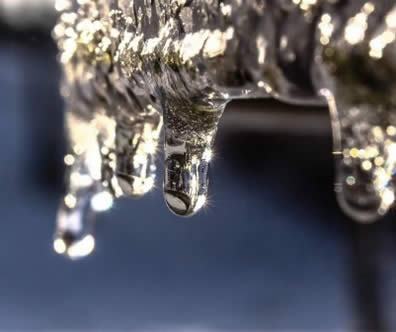
Cold temperatures can cause water pipes to freeze. Freezing in a pipe creates a lot of pressure inside the pipe and can cause the pipe to burst and likely lead to serious flooding, especially when there’s no one around to turn off the water. The best prevention against frozen pipes is to keep them warm enough to stay above the freezing point. You can do this with a combination of measures.
Tip 1: Keep the Heating on
If you are leaving for a long period of time, make sure that the heat is kept on in your property, the heat can help prevent pipes from freezing, and if pipes freeze and burst, it can cause a lot of water damage to the property and to your possessions. The heat does not have to be kept as high as you normally would keep it if you were actually in the property, but keeping it set above 50 F is a good idea. This should provide enough heat to keep the pipes warm and to prevent any water inside from freezing.
Tip 2: Allow the Faucet to drip
If you are concerned a pipe will freeze, you can open the faucet fed by that pipe just a bit so the faucet drips slightly. Allowing the faucet to be open like this relieves pressure in the system. If a pipe freezes, it is actually the pressure that is created between the blockage and the faucet that will cause the pipe to burst. Allowing the faucet to be open will prevent this pressure from building up and thus keep the pipe from bursting. If the faucet is served by both hot and cold water pipes, open both faucet taps slightly, or set a single-handle faucet (such as a kitchen faucet) to warm.
Tip 3: Keep interior doors open
Pipes are often located in cabinets. When the temperature drops, it is a good idea to keep these cabinet doors open so that the heat from the rest of the house can keep the pipes warm as well. You should also keep all interior doors open so that the heat can flow throughout the home.
Tip 4: Seal up gaps and holes
Seal gaps around holes where pipes run through walls or floors, especially where the hole is letting in cold air. Spray foam insulation to fill the gaps. If possible, seal holes on both the interior and exterior side of wall or floor. Cold outdoor air that gets in through holes and gaps can make a cabinet compartment, which is usually pretty cold, even colder.
Tip 5: Apply Heating Tape
Heating tape works like an electric blanket for pipes, supplying heat directly to the pipe to keep it warm during cold spells. This can be a good solution for short sections of pipe that are at high risk for freezing and are easily accessible so you can install the tape and can monitor it for problems.
Tip 6: Add extra Insulation
Pipes that are normally located in areas that do not have proper insulation such as basements or attics, which may need extra insulation to keep from freezing. Pipes in basements or attics are not the only ones that may not be properly insulated from the cold. If you have had a problem with pipes freezing anywhere in your home, extra insulation could be the cure. Pipes can be fitted with foam rubber or fiberglass sleeves to help decrease the chances of freezing. This can be an easy solution for pipes that are exposed. Insulation can help keep a pipe closer to the temperature of the water inside the pipe, but it does not add heat to the pipe and will not prevent freezing if the pipe is exposed to prolonged freezing temperatures.

Leave a Reply