

Zero-emission boilers (ZEB) have emerged as noteworthy contenders in the quest for sustainability and environmental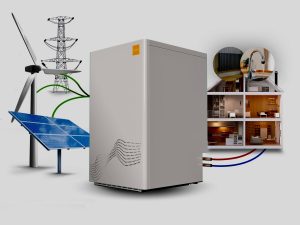 ly friendly heating solutions. As we seek alternatives to traditional heating methods, comparing ZEB and heat pumps becomes crucial to understanding their efficiency and eco-friendliness.
What is a Zero Emission Boiler (ZEB)?
Zero-emission boilers, often called ZEBs, are a new generation designed to minimise or eliminate harmful emissions during heating. Unlike conventional boilers that burn fossil fuels, ZEBs rely on innovative technologies such as hydrogen combustion or electric heating elements powered by renewable energy sources.
The Promise of Zero Emission
ZEBs aim to address the environmental impact associated with traditional heating systems by drastically reducing or eliminating emissions. This is achieved by utilising clean energy sources, ensuring that the heat produced does not contribute to air pollution or greenhouse gas emissions.
How do Zero Emission Boilers Work?
Hydrogen Combustion: Some ZEBs use hydrogen as a fuel source, producing heat through a combustion process that only
emits water vapour as a byproduct. Hydrogen is considered a clean fuel when produced using renewable energy sources.
Electric Heating Elements: Another approach involves electrically powered heating elements. When connected to renewable energy sources like solar or wind, ZEBs can operate with minimal environmental impact.
ZEB vs Heat Pumps: A Comparison
- Energy Efficiency:
ZEB: While ZEBs can achieve high energy efficiency, especially when using hydrogen or electricity from renewable sources, heat pumps are known for their exceptional efficiency in converting energy input to heat output.
- Carbon Footprint:
ZEB: ZEBs aim for zero or near-zero emissions, significantly reducing their carbon footprint.
Heat Pumps: Heat pumps also offer low carbon emissions, primarily when powered by renewable electricity.
- Application Suitability:
ZEB: Suitable for various heating applications, including space heating and domestic hot water production.
Heat Pumps: These are effective for heating and cooling, making them versatile for different climate conditions.
Conclusion: Choosing the Right Solution
The decision between a Zero Emission Boiler and a heat pump depends on various factors, including local climate, energy infrastructure, and personal preferences. ZEBs represent a promising advancement in clean heating technology, offering an alternative for those seeking to reduce their environmental impact. However, the choice ultimately depends on the specific needs and conditions of the user.
As we transition to sustainable energy solutions, ZEBs and heat pumps contribute to the collective effort to mitigate climate change. Evaluating their pros and cons in the context of individual requirements will guide consumers toward making informed choices for a greener and more sustainable future.

Leave a Reply