

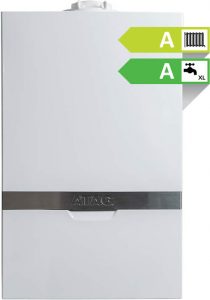
Choosing the correct boiler size for your home is a critical decision that directly impacts your comfort, energy efficiency, and heating costs. To ensure your heating system works optimally, it’s essential to accurately size the boiler based on your property’s specific requirements. In this guide, we’ll walk you through the process of sizing a boiler, along with some general power output estimates for different numbers of radiators in a combi boiler setup.
- Assess Your Home’s Heating Needs
The first step in sizing a boiler is to evaluate your home’s heating needs. Factors to consider include:
a. Heat Loss Calculation: A professional heating engineer can calculate heat loss to determine how much heat your home loses during colder weather. This calculation considers factors like insulation, window quality, and the building’s size.
b. Radiators and Zones: Determine the number of radiators in your home and how they are distributed across different heating zones.
c. Hot Water Demand: Consider your household’s hot water requirements, as some combi boilers also provide hot water on demand.
- Combi Boiler Power Output Estimates
As a rough guide, you can use the following power output estimates for combi boilers based on the number of radiators in your home:
- Up to 10 radiators: 24–27 kW
- 10 to 15 radiators: 28–34 kW
- 15 to 20 radiators: 32–40 kW
It’s important to note that these estimates are ballpark figures and should serve as a starting point. The actual boiler size needed may vary depending on other factors mentioned earlier.
- Avoid Over-Sizing
While choosing a larger boiler to ensure maximum heating capacity might be tempting, oversizing can lead to inefficiencies and increased energy costs. A too-powerful boiler for your home’s needs will frequently cycle on and off, wasting energy and potentially causing wear and tear.
- Consult with a Heating Professional
To get an accurate boiler size recommendation tailored to your home, consult a qualified heating engineer or heating system designer. They will consider your unique heating requirements, your home’s insulation quality, and the radiators’ distribution to provide a precise boiler size.
- Consider Energy Efficiency
When choosing a boiler, opt for a modern condensing model with a high energy efficiency rating. Condensing boilers are designed to extract heat from flue gases, making them more eco-friendly and cost-effective in the long run.
Conclusion
Sizing a boiler for your home is crucial in creating a comfortable and energy-efficient heating system. By conducting a heat loss calculation and considering the number of radiators and heating zones, you can better understand the boiler size you need. While the power output estimates provided here can serve as a starting point, consulting with a heating professional for a precise recommendation is essential. Remember, choosing an appropriately sized, energy-efficient boiler will keep your home cosy and contribute to reducing your carbon footprint and lowering heating costs.

Leave a Reply