

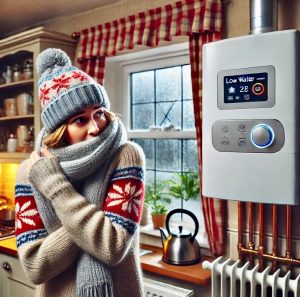
 Boilers are the heart of many homes across the UK, providing essential heating and hot water. However, they can encounter issues, and one of the most common problems is low water pressure. Understanding how to identify and resolve low water pressure faults is crucial to maintaining the efficiency of your heating system. This blog will guide you through the standard error codes significant boiler manufacturers use to signal low water pressure and offer practical advice on addressing this issue.
Common Causes of Low Water Pressure in Boilers
Low water pressure in a boiler can occur for several reasons, including:
Leaks in the System: A small leak can cause a gradual pressure loss. Leaks might occur in radiators, pipes, or the boiler itself.
Radiator Bleeding: Bleeding radiators to release trapped air can sometimes lead to a drop in system pressure if not topped up afterwards.
Expansion Vessel Issues: The expansion vessel in your boiler system absorbs the extra pressure created when water heats up. If it fails, the pressure might drop significantly.
Faulty Pressure Relief Valve: A malfunctioning pressure relief valve may cause the system to lose water, leading to a drop in pressure.
Recent Maintenance: If you’ve recently had work done on your heating system, it could have disturbed the pressure balance, leading to lower levels.
Decoding Low Water Pressure Error Codes
Different boiler manufacturers use various error codes to indicate issues with low water pressure. Below is a list of the most common codes and their meanings.
Worcester Bosch Code: EA, A1, or 1017 Meaning: The boiler has detected low water pressure, or the pump is not circulating correctly.
Vaillant Code: F22 Meaning: Low water pressure detected.
Ideal Boilers Code: F1 Meaning: Low water pressure detected in the system.
Baxi Code: E119 Meaning: Low water pressure in the system.
Glow-worm Code: F9 Old boiler F22 New Boiler Meaning: Low water pressure detected.
Vokèra Code: A04 Meaning: Low water pressure detected.
Ariston Code: 108 Meaning: Low water pressure detected in the system.
Ferroli Code: F37 Meaning: Low water pressure in the system.
Alpha Code: E10 Meaning: Low water pressure detected.
Potterton Code: E119 Meaning: Low water pressure in the system.
How to Address Low Water Pressure
If you encounter one of these error codes, it typically means the water pressure in your boiler is below the required level to operate efficiently. Here are some steps you can take to resolve the issue:
Check the Pressure Gauge: The pressure gauge is usually located on the front of your boiler. For most systems, the ideal pressure is between 1 and 1.5 bar when the system is cold. If the pressure is below this range, you must repressurise the system.
Repressurise the System: Most boilers have a filling loop (a flexible hose with a valve) that you can use to add water to the system and increase the pressure. Carefully follow your boiler’s manual instructions to avoid over-pressurizing the system, which can cause other issues.
Inspect for Leaks: If the pressure drops after repressurising, there may be a leak somewhere in the system. Check all visible pipes and radiators, and if you suspect a leak, it’s best to call a qualified engineer to fix it.
Consult a Professional: If you’re unsure how to repressurise your boiler or if the problem persists, contact a Gas Safe registered engineer. They can diagnose the issue and ensure your system works safely and efficiently.
Preventive Measures
To prevent future low water pressure issues:
Regularly check your boiler’s pressure gauge, especially before the winter season.
Schedule annual boiler servicing to ensure all components, including the expansion vessel and pressure relief valve, function correctly.
Address any leaks promptly to avoid long-term damage to your heating system.
Conclusion
Low water pressure is a common issue with UK boilers, but it can often be resolved with a little knowledge and the right approach. By familiarising yourself with the error codes used by your boiler’s manufacturer, you can quickly identify the problem and take appropriate action. Remember, if in doubt, always seek professional help to ensure the safety and efficiency of your home heating system.
If you’re experiencing repeated issues with low water pressure, it might be time to have your boiler system thoroughly inspected by a qualified engineer. Proper maintenance is critical to a reliable and long-lasting heating system.

Leave a Reply