

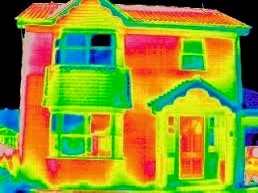
 Older homes often have a unique charm and character, but they can also be notorious energy hogs. Fortunately, you can turn your vintage dwelling into an energy-efficient haven with the right strategies and investments. This blog will explore practical steps to make an old home more energy-efficient, saving you money and reducing your environmental footprint.
Start with an Energy Audit
Before you dive into improvements, conduct an energy audit. This assessment will identify the specific areas where your home is losing energy. You can hire a professional or perform a DIY audit. Look for drafts, insulation issues, and energy-wasting appliances. This baseline assessment will help you prioritise your efforts.
Seal Air Leaks
Older homes often have gaps and cracks that allow warm air to escape in winter and cool air to seep in summer. Seal these gaps with caulk, weatherstripping, or expanding foam. Pay attention to windows, doors, baseboards, and any other openings. Properly sealing air leaks can significantly reduce heating and cooling costs.
Upgrade Insulation
Older homes may need more adequate or updated insulation. Consider adding or replacing insulation in your attic, walls, and floors. Modern insulation materials like fibreglass or spray foam provide better thermal performance, ensuring your home stays comfortable year-round.
Install Energy-Efficient Windows and Doors
Old, single-pane windows can be significant energy wasters. Replace them with energy-efficient double-pane or triple-pane windows. Similarly, upgrade exterior doors with well-insulated options that have a tight seal. Properly insulated windows and doors can reduce heat transfer and reduce energy bills.
Upgrade HVAC Systems
Older heating, ventilation, and air conditioning (HVAC) systems often need to be more efficient. Replacing them with energy-efficient models can lead to substantial energy savings. Consider a programmable thermostat to optimise heating and cooling schedules and maintain consistent indoor temperatures.
Switch to LED Lighting
Older homes may still use incandescent or fluorescent lighting, which consumes more energy. Replace these bulbs with energy-efficient LED lighting. LEDs are more energy-efficient and last longer, reducing maintenance costs.
Upgrade Appliances
Older appliances can be energy hogs compared to their modern counterparts. Replace outdated appliances with ENERGY STAR-rated models. This includes refrigerators, washing machines, dishwashers, and water heaters. Energy-efficient appliances can significantly reduce your utility bills.
Optimise Water Usage
Older homes often need more efficient plumbing fixtures. Replace old faucets, showerheads, and toilets with low-flow or water-saving options. Fix any leaks promptly, as even minor drips can lead to significant water wastage.
Consider Renewable Energy
Consider installing solar panels on your old home’s roof if your budget allows. Solar energy can offset your electricity consumption and lead to long-term savings. Additionally, explore incentives and tax credits available for renewable energy installations.
Maintain Regularly
To keep your old home energy-efficient, establish a routine maintenance schedule. Regularly check and clean HVAC systems, replace filters, and inspect insulation and weatherstripping for wear and tear. Proper maintenance will ensure your home’s efficiency improvements continue to pay off.
Conclusion
Transforming an old home into an energy-efficient space may require an initial investment. Still, the long-term benefits of energy savings, increased comfort, and reduced environmental impact are well worth it. Whether you tackle one improvement at a time or undertake a comprehensive renovation, making your older home more energy-efficient is an innovative and responsible choice for your wallet and the planet.

Why are older homes often considered energy inefficient, despite their unique charm and character? Telkom University
I’m not sure how you have got the measure older homer are considered more energy efficient, and I’m sure it suggests they are not more energy efficient and gives suggestions to make them more efficient; if I’m wrong, please show me. Have a great day, and thank you for reading it.