

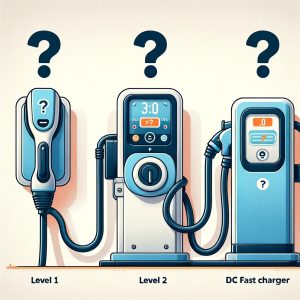
 Installing an electric vehicle (EV) charger at home is a significant step towards embracing sustainable transportation. It not only adds convenience to your daily life but also potentially increases the value of your property. However, choosing a suitable EV charger with numerous brands and models available can be daunting. Here are some essential factors to consider when selecting a brand for your home EV charger:
- Charging Speed
The charging speed, measured in kilowatts (kW), is crucial. Home chargers typically range from 3.7 kW to 22 kW. A higher kW charger will charge your EV faster. Still, choosing a charger that your home electrical system can support is essential and compatible with your vehicle’s maximum charging rate.
- Connector Type
Ensure the charger is compatible with your EV. Most EVs in Europe use a Type 2 connector, while in the US, the J1772 connector is standard. Some brands also offer chargers with a tethered cable, which provides convenience but limits flexibility if your next EV has a different connector.
- Smart Features
Modern EV chargers have intelligent features that can enhance your charging experience. Look for a charger that offers app integration, which allows you to schedule charging during off-peak hours for cost savings, monitor energy usage, and control the charger remotely.
- Ease of Installation
The ease of installation and its cost can vary significantly between brands. Some chargers require professional installation by a qualified electrician, while others offer more straightforward, DIY-friendly options. Consider the installation requirements and whether the brand provides installation services or support.
- Weather Resistance
If you plan to install the charger outdoors, ensure it’s weather-resistant. Look for an EV charger with a high Ingress Protection (IP) rating, ensuring it can withstand weather conditions like rain, snow, and extreme temperatures.
- Safety and Certification
Safety should never be compromised. Choose a brand that offers chargers with built-in safety features such as overcurrent protection, ground fault protection, and thermal monitoring. Also, ensure the charger is certified by relevant authorities or organizations in your region, indicating compliance with safety standards.
- Warranty and Customer Support
A good warranty can provide peace of mind. Consider brands that offer a robust warranty period and responsive customer support. Accessing help when needed is crucial, especially for a technology that is relatively new to many users.
- Cost
While it’s tempting to go for the cheapest option, consider the total value offered by the charger, including its features, durability, and the quality of after-sales support. Sometimes, spending a bit more upfront can save you from future headaches and additional costs.
- Future Proofing
With the rapid advancement in EV technology, consider a somewhat future-proof charger. A charger that can be updated with new software features over time or offers modular upgrades can be a wise investment.
Conclusion
Choosing the right EV charger brand involves balancing factors, including charging speed, compatibility, intelligent features, and overall value. By thoroughly researching and considering these aspects, you can select a charger that meets your current needs and serves you well into the future. Investing in an EV charger is not just about the hardware; it’s about choosing a solution that integrates seamlessly into your lifestyle and supports your commitment to sustainable living.

Leave a Reply