

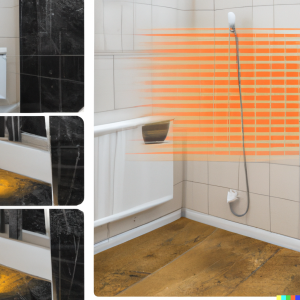
 Temperature Control: Infrared heating helps maintain consistent temperatures in a space, which can discourage mould growth. Certain moulds produce mycotoxins, and regulating the temperature can inhibit the activity of these moulds.
Drying Effect: Infrared heaters can target specific areas and surfaces, facilitating faster drying. Dampness is a critical factor in both mould growth and mycotoxin production. By reducing moisture, you create an environment less conducive to mould and mycotoxin development.
Improved Ventilation: Infrared heating systems can work in conjunction with proper ventilation. Adequate ventilation helps disperse and remove airborne mould spores and mycotoxin particles, reducing their concentration in the air.
Energy Efficiency: Infrared heaters are energy-efficient, allowing them to run for extended periods. This continuous heating can help to keep spaces dry and is less favourable for mould and mycotoxins.
Localised Heating: Infrared heaters can target areas where mould or mycotoxin contamination is suspected. This localised heating can aid in reducing the spread of these contaminants to other parts of the building.
It’s important to emphasise that while infrared heating can be a helpful tool in mould and mycotoxin prevention, it should be part of a broader strategy that includes addressing the root causes of moisture, ensuring proper ventilation, and employing other mould remediation techniques if needed.

Leave a Reply